Source:本站Date:2025-11-03
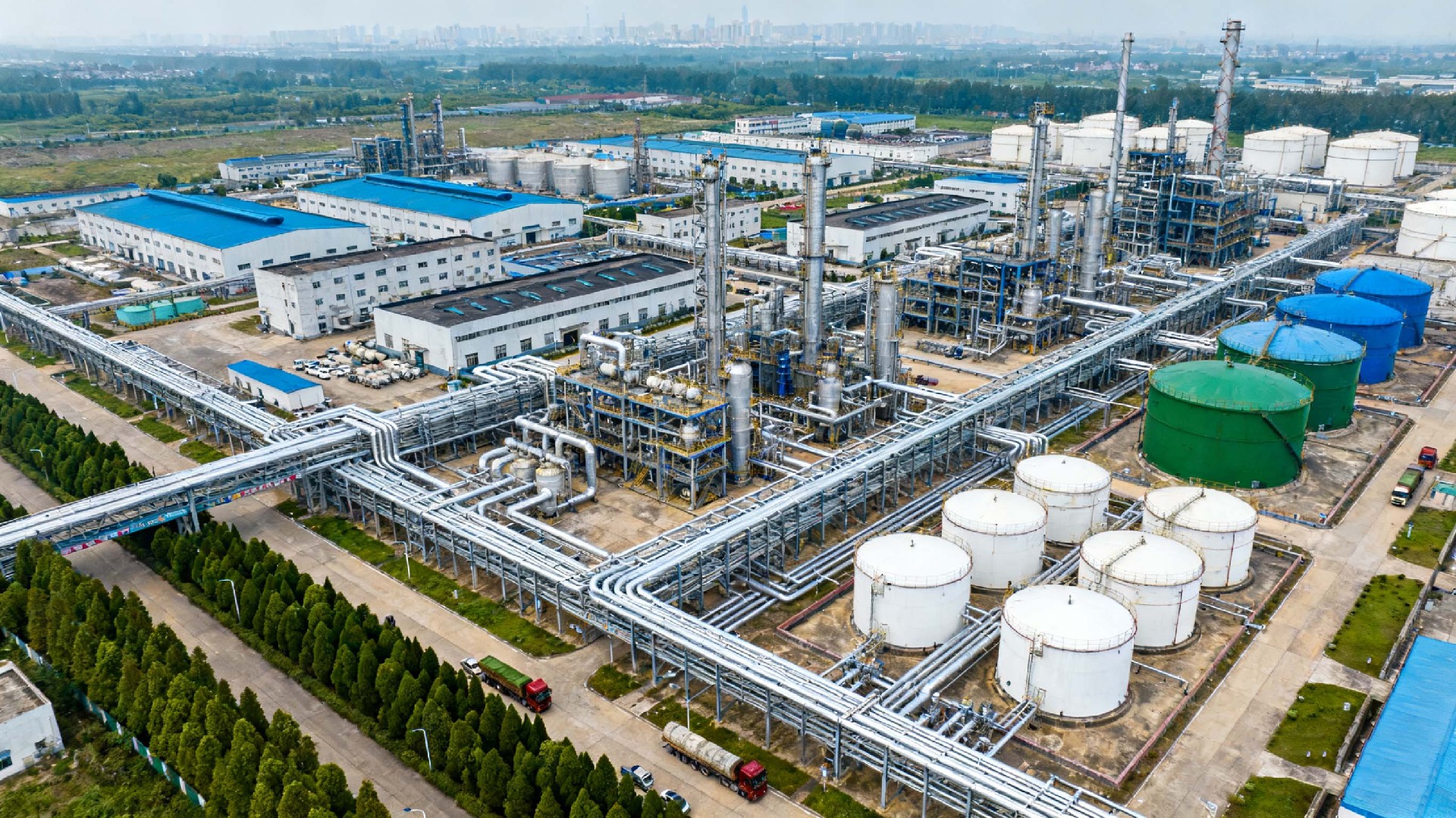
The chemical industry,due to its complex processes,diverse materials and high potential risks,has extremely strict requirements for environmental and safety monitoring.
The gas risks in the chemical industry are mainly classified into three categories:flammable gases,toxic gases,and oxygen concentration.
Target substances: raw materials, intermediates, product vapors. For example: benzene series substances, chlorine, ammonia, hydrogen sulfide, VOCs (volatile organic compounds).
Key point: Leakage monitoring.
Target: Steam for storing materials. For example: benzene, toluene, xylene, propylene, liquefied petroleum gas, etc.
Key points: Leakage monitoring and regional safety protection.
Target substances: hydrogen sulfide, ammonia, methane, VOCs.
Key points: Safety of workers and monitoring of fugitive emissions.
Target substances: Various experimental gases and solvent vapors.
Key points: Environmental safety and personnel health.
Target substances: Characteristic pollutants (such as VOCs, malodorous gases).
Key point: Environmental compliance to prevent any impact on the surrounding communities.
Catalytic combustion (LEL) : Used for combustible gases.
Electrochemistry (EC) : It is used for toxic gases (H₂S,CO,Cl₂,NH₃, etc.) and has high sensitivity.
Infrared (IR) : Used for VOCs and hydrocarbons, it is anti-toxic, has a long service life, and is suitable for oxygen-deficient environments.
Photoionization (PID) : It is used for wide-range detection of VOCs, especially suitable for low-concentration leakage.
Deployment: Install sensors at key risk points and connect the data to the central control system.
Usage: Inspection, entry into confined Spaces, emergency response, and leakage point investigation.
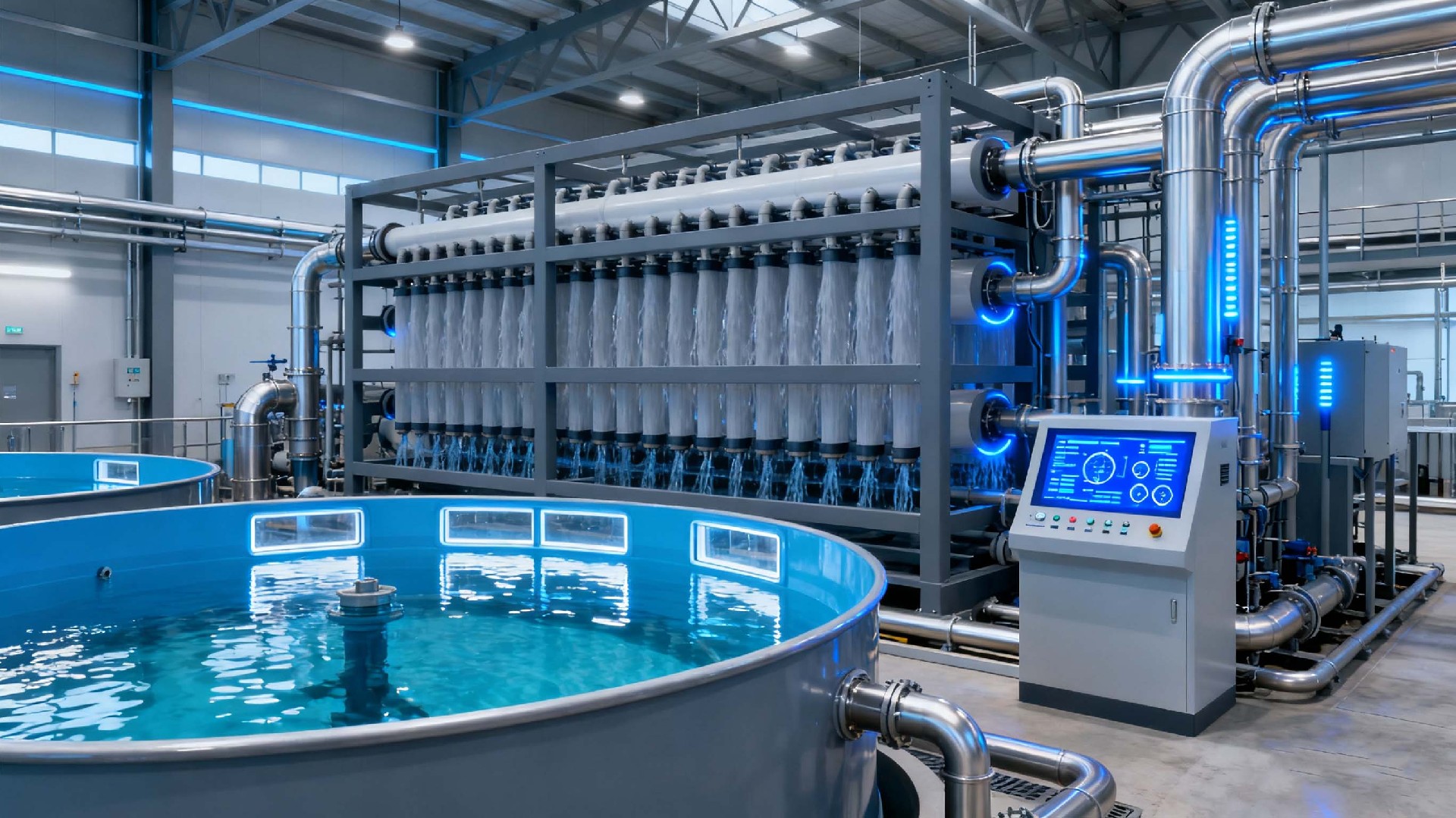
Chemical water quality monitoring covers the entire process from influent, process, wastewater treatment to discharge.
Indicators: pH, turbidity, residual chlorine, conductivity.
Objective: To ensure that the quality of water sources meets production requirements.
Indicators: Related to specific processes, such as the concentration of specific ions (Cl⁻,F⁻,Na⁺), organic matter content (COD/TOC), pH, temperature, etc.
Objective: To monitor reaction efficiency and ensure product quality.
Indicators: Electrical conductivity, pH, dissolved oxygen, hardness.
Objective: To prevent scaling, corrosion and microbial growth, and ensure the safe operation of equipment.
Wastewater treatment unit
Pretreatment unit: pH, flow rate
Biochemical treatment unit (A/O tank) : DO (Dissolved Oxygen), MLSS (Suspended solids in mixed liquid), ORP (Oxidation-reduction potential), temperature, ammonia nitrogen, nitrate nitrogen.
Discharge outlet
Conventional indicators: pH, chemical oxygen demand (COD), ammonia nitrogen (NH₃-N), total nitrogen (TN), total phosphorus (TP), suspended solids (SS), flow rate.
Online water quality analyzer
Necessity: Achieving 24/7 continuous monitoring is a standard feature of modern chemical water management.
Common types
pH/ORP/ conductivity/dissolved oxygen analyzer: Fundamental and crucial.
COD online analyzer: Ultraviolet (UV) method is used for rapid early warning, and chemical method (potassium dichromate) is used for precise measurement and compliance.
TOC (Total Organic Carbon) analyzer: Rapidly reflects the degree of organic pollution in water bodies.
Specific ion online analyzers: such as fluoride ion, chloride ion analyzers, etc.

Tel:+86-18001379750

E-mail:sales@bebur.net

Whatsapp:+86-18518487185

Skype:+86-18518487185



 中文简体
中文简体 English